The CISSP is the industry’s gold standard for security certifications. That is what everyone tells you when you get into cybersecurity, and it is true. It is also, if I am honest, a slog to study for. I know, because I am working toward mine right now. Switching from hands-on technical work to thinking like a strategic security manager is a hard gear change. Some nights I open the book, read two pages, and realize I have absorbed nothing but the ceiling. No amount of coffee seems to help.
What finally changed things for me was not a new study guide. It was a change in how I saw the work. I stopped studying to pass a test and started studying to become something: a defender of the realm.
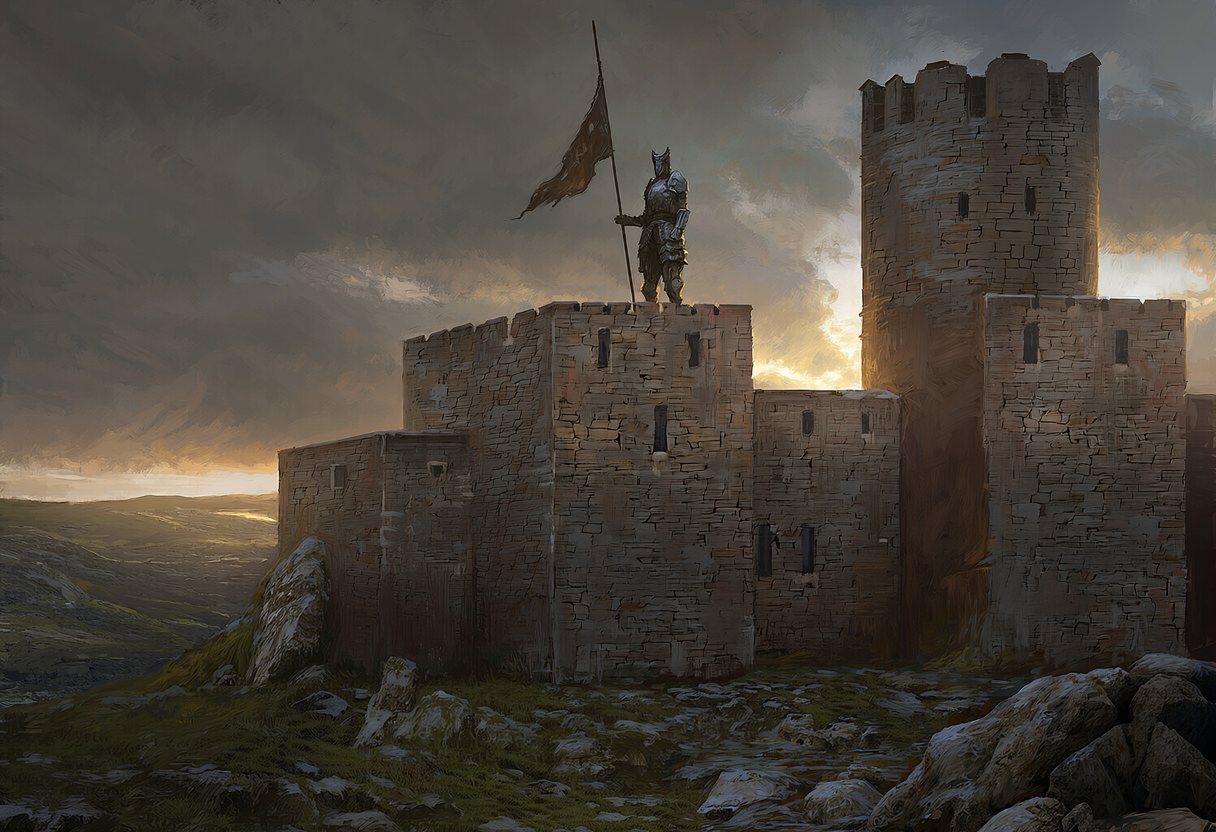
Every keep needs defenders, and a good one is not born ready. They train. They study the ground, learn the walls, and earn the trust of the people behind them. The CISSP is that training. And the best defenders, the ones the realm actually relies on, tend to share four qualities. Build these while you study, and you will not just pass the exam. You will be good at the job it points to.
Be an Investigator
You cannot protect what you do not understand. Before a defender ever raises a wall, they walk the ground: where the approaches are, where the land is soft, where an enemy would come from. That is investigation, and it is the first quality to build.
A good investigator is patient and skeptical. They analyze what is in front of them, ask what does not add up, and follow small clues to hidden risks. As you study, practice this deliberately. Do not just memorize that a threat exists. Ask how it would actually reach you, what weakness it would use, and what it would cost if it succeeded. The exam rewards that kind of thinking, and so does every real assessment you will ever run.
Be a Guardian
Guardians do the quiet, unglamorous work. They hold the gate through the long night when nothing is happening, precisely so that nothing happens. Their strength is not drama. It is vigilance that does not lapse.
This is the heart of security work. Committing to protect sensitive information and critical systems means steady attention, not heroics: the patch applied on time, the access reviewed, the log actually read. As you prepare, treat the material as a duty you are taking on, not trivia you are cramming. The mindset of a guardian, watchful and dependable, is what stakeholders are really trusting when they trust you.
Be a Strategist
Muscle alone never held a keep. The defenders who last are the ones who think ahead: who sit at the war table, imagine the enemy’s next move, and prepare for it before it comes. Anticipation beats reaction every time.
A strategist plans proactively and solves problems before they become emergencies. Much of the CISSP is exactly this shift, from the technician who fixes the thing in front of them to the manager who designs so the thing does not break in the first place. When you study, look for the reason behind each control. Understanding how the pieces fit into a larger defense is what lets you stay a step ahead of an adversary instead of chasing them.
Be a Symbol
Every realm needs something to rally behind. A banner on the wall tells the people inside that someone competent is watching, and tells everyone else that this place is defended. A great defender becomes that banner: a symbol of trust, expertise, and steadiness.
In your career, colleagues, clients, and leadership will look to you the way a town looks to the figure on its walls. That trust is earned through the first three qualities, but it is worth naming on its own, because it is the point of all of them. Represent your field well. Be the person others feel safer standing behind.
The Defender’s Path
The CISSP takes time, patience, and hard work. There is no way around that. But if you study to become a defender rather than to survive an exam, the work changes character. You are not memorizing for a test you will forget. You are training for a role that matters.
So build the four: investigate carefully, guard faithfully, plan ahead, and become someone worth trusting. Suit up. The realm is worth defending, and it needs more people who take that seriously.
What has been the hardest part of your own certification journey, and what got you through it? I would like to hear it.